
The World According to Cooper: Summer School Blues

RSS

By Stacie Greene, PetSafe Supply Chain Specialist

pets in summer

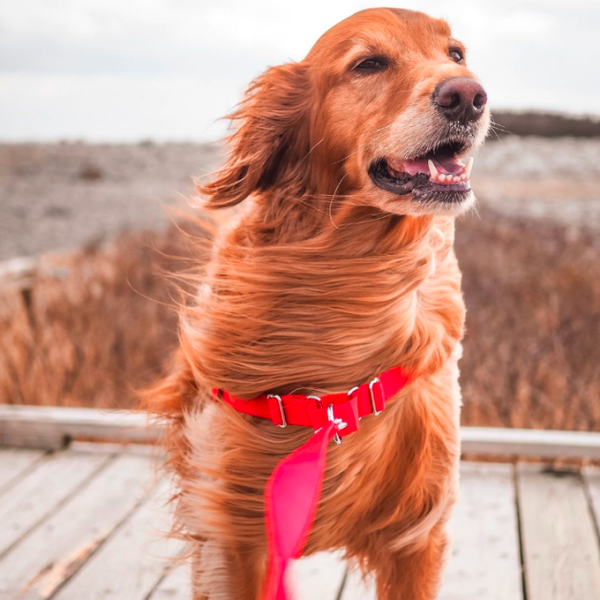
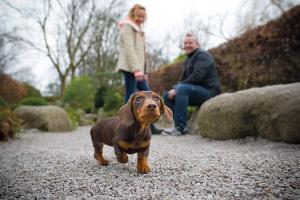
Cooper is so excited for summer and all the fun activities in store. What are you and your pet doing this summer?

I hope you all are getting ready for summer time.  I know that I am looking forward to it. Well, for the most part… I love all of the activities of summertime. I love playing with tennis balls, soccer and Frisbee in the back yard, going to the park, playing in the water hose, bobbing for ice cubes in the heat of the day, and eating ice cream late in the evening.  I also love all of the cookouts that we have; my mom grills great hamburgers and chicken.  I think she is sharing some of her tips in another blog soon, so stay tuned. Anyway, these are the things that make summer great for me.

This year, I am a little down because I don’t know how much of this stuff I will get to do every day like we did last year.  You see, my mom not only works, but she is also in graduate school.  She has been since last summer, but she has been especially busy for the last few months. She does her best to make sure that all of my needs are met, but sometimes our humans don’t know that we feel all of the stress that they do. So, when work stresses you out or if you are in school or have too much going on, please remember to take a deep breath and play with your furry children.  We will always lower your stress level and make you feel happy again.  That is the magic spell that we cast on our humans. I can tell I am going to have to work some extra magic on mom this summer!!

drinkwell fountains

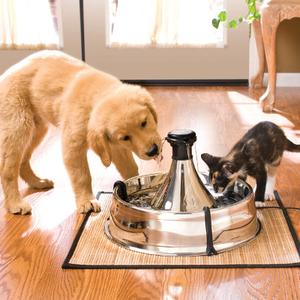
Cooper and Hope loved playing at the photo shoot for our new fountain. They also did a great job posing and drinking out of the fountain.

Just a quick update on something that we shared last month –  I AM going to be on the box for the new Avalon Fountain.  Look for it online and in stores this fall.  This is sooooo exciting! I promise to always love all of my fans no matter how famous I get! I’ve included a couple of behind the scenes photos for you.

So happy beginning to summer for all of my readers.  Get out there and grill and play with your furry children and watch out for that special puppy magic that we use to get extra playtime and treats!

Leave Comment

Running Back Runs Free: Introducing PetSafe’s newest training tool

RSS
pendant remote trainer

Emmitt, the little guy on the left, is a runner! Jessica uses the Elite Pendant Remote Trainer to communicate with him so he can get all his energy out.

By Jessica Medlin, PetSafe Marketing Research

My dog Emmitt was named after the great NFL running back, Emmitt Smith.  His name turned out to be pretty fitting because he is a runner, big time.  Emmitt must be on a leash at all times, otherwise we’ll be playing chase with him for hours.  A walk with Emmitt involves lots leash pulling, choking, and more or less him walking us.  Do you have a dog like Emmitt that you wish you could train to be an off-leash dog?  Or maybe there are some other unwanted behaviors your dog exhibits that you would like to change for the better.  If you are, you are not alone.  Many pet owners seek out remote trainers as a solution to their pet challenges.  PetSafe has been working hard to ensure our remote trainers meet you everywhere you want to be with your pet, especially with our newest addition to our training line: the new Elite Pendent Remote Trainer.

Common Issues:

From our research, the two main behaviors that pet owners begin using a remote trainer are walking their dog without a leash and to prevent jumping.  These can be very frustrating issues to address and remote trainers can make consistent training as easy as a push of a button.  These and other needs and wants of remote trainer users have led the development of our new Elite Pendent Remote Trainer.

Rechargeability:

Our product tests have also shown that the majority of pet owners use their remote trainers on a daily basis.  The PetSafe Elite Pendent Remote Trainer is perfect for training, is a quick charge, and has the added convenience of charging via a wall outlet or USB.

New Round Probe Design:

We hear from our consumers that their dogs get happy every time their owner puts their training collar on them because it means they are going somewhere.   We love that!  We also hope your dog will recognize and appreciate the new Elite Pendant Remote Trainer that features our newest innovation in the receiver design.  The collar features unique round probes which offer greater comfort for longer wear but also lets owners customize the collar to match their pet’s personality.  So if I want to add a Dallas Cowboys collar to Emmitt’s wardrobe, the pendant will fit perfectly!

Sleek Remote:

PetSafe didn’t forget that people like great design too.  The Pendant Trainer features a slide remote design which is light, sleek, and about the size of cell phone.  The slide design also functions to protect the remote buttons from ever getting accidentally pressed if in a pocket or purse.

Whether you are like me and you just want to enjoy a stress-free walk with your pet, you want leash-free control at the dog park, or stop your dog from jumping on the guests; you can train your dog comfortably and in style with our Elite Pendant Remote Trainer.  You may just be the “bark” of the town with a well-behaved and stylish pooch.  That is, if Emmitt and I don’t beat you there!

What is your favorite thing about your remote trainer?

Leave Comment

Summertime, and the living is easy – unless you suffer a dog bite

RSS
dog bite prevention

Jim has four dogs, three kids and two grandkids. He knows a thing or two about keeping pets and humans safe from each other.

By Jim Tedford, Director of Animal Welfare Initiatives

I don’t know about you, but I absolutely love summer!  I love longer days, short sleeves, flip flops, snow cones, swimming…everything.  And, one of the best parts of the season is spending more and more quality outdoor time with our canine companions.  I find that my dogs shake off winter much as I do.  Cabin fever seems to take an even greater toll on them.  Henry, my now one-year-old Jack Russell has discovered butterflies and has made a career of chasing them around our woods.  My older, more refined Labs, Bodie and Sam have discovered the healing powers of stretching out on a warm slab of concrete in the sunshine.  And, my ancient corgi, Lila, seems to appreciate the end to cold nights and mornings more than any of us.

I hate to interrupt this stream of consciousness with a harsh reality check, but warm weather also brings a few less-than-pleasant images.  More quality time spent playing outdoors with our dogs also means an increased risk of dog bites.  Even the most docile of canines presents certain risks.  Like most people, most dogs have a boiling point…an invisible threshold beyond which they should not be pushed.  For some, the bar is set so high that we are unlikely to ever experience a problem.  But, others require very little stimulation to be pushed to the brink.

There are a few simple steps we can—and should—take to protect ourselves and our neighbors from potential close encounters of the dog bite kind:

1)      Safe Confinement – Remember the old public service announcement – “It’s ten o’clock, do you know where your children are?”  No matter what time of the day it is, it is up to us as pet parents to know where our dogs are.  Think of them as toddlers who never grow up.  They have the capacity to get themselves into major trouble so it’s up to us to do the thinking for them.  This morning as I drove down the rural back roads toward my office I was chased by not one, but THREE groups of free-roaming dogs.  Had I been on foot or on a bicycle, chances are one of them would have crossed the line and I would have been bitten.

2)      Training – Pet owners have a responsibility to provide ALL the basic needs to our animal companions.  We give them nutritious food, fresh water, shelter and love.  And, we also have a responsibility to teach them how to behave (and how NOT to behave).  Jumping up and nipping may seem cute when our dogs are puppies, but as they get older and larger, those behaviors can escalate into aggression.  Nipping undesirable behavior in the bud early and redirecting that energy into something positive will go a long way toward making our pets model members of society rather than threatening menaces to our neighborhoods.

3)      Public Education – Kids (and, frankly some adults) need to learn basic manners and how to read canine body language.  First, it is never a good idea to approach a dog you don’t know without the owner’s consent.  And, even when you have consent, approach slowly and offer your hand (palm up) so the dog can sniff and get used to the idea of having you in his personal space.  A nip on the hand is not pleasant, but probably better than a nip on the face.  Second, pay attention to the signs.  Even if the owner is telling you a dog is “fine” and would “never bite”, it’s more important to listen to what the dog has to say.  If he is actively trying to move away from you, don’t pursue him.  If he is snarling, assume he is not glad to see you.  Very rarely does a dog bite without issuing a series of warnings ahead of time.  And, finally, if you do feel threatened by a dog, don’t run!  Keep in mind that a dog has four legs to your two and will outrun you every time.  And running might trigger a predator/prey response.  It’s best to remain still, avoid direct eye contact and back slowly out of the dog’s territory.  If a bite does occur, wash the wound thoroughly with soapy water and seek immediate medical attention.  Call animal control and try to make sure someone keeps an eye on the dog until authorities arrive.  Rabies in dogs is pretty rare in the US, but it can and does happen.  Quarantine is necessary in most jurisdictions.

Most encounters with man’s best friend are positive and enjoyable.  Following some good common sense advice can ensure you and your dogs enjoy all that summer has to offer.  So, grab a leash and a snow cone and head out to the park for some good old fashioned butterfly chasing!

Leave Comment

Responsible Pet Ownership: Dealing with Your Pet’s Bad Habits

RSS

By Roslyn Ayers, PetSafe Web Content Specialist

“Your dog is a jerk,” my husband said to me as we were cleaning up the mess Doc had left us. While we were at the grocery store, Doc had decided that the trash would be a great new toy. We came home to bits of paper towels, food containers, and other garbage strewn around the house. Doc’s excited “I did this for you” grin doesn’t seem to work on my husband; he was still pretty mad.

Trash raiding is easy to prevent and clean up, so it didn’t really bother me. My husband’s attitude was the real problem; by blaming our dog, he removed his own responsibility. “Next time we leave him at home, we’ll just have to put the trash where he can’t reach it.” I reminded him, “It’s not the dog’s fault; he doesn’t know any better.”

Sometimes our pets’ bad habits aren’t really that bad. We need to adjust our own habits and remember that we love our pets despite their flaws (and remember that we have our foibles). That’s why I wanted to share some of our pets’ bad habits and how we deal with them.

Scratching Shoes

bad cat behaviors

How can anyone stay mad at this face?

Lily likes to claw shoes, especially flip flops. She uses her scratching post all the time, but she just can’t resist those flips flops. We tried adding a scratching post downstairs, but she never uses it. Two things have helped discourage this shoe clawing. The first is making sure the shoes are not near her scratching post. When they’re next to each other, she goes right for the shoes. I think this is because she associates them with scratching and recognizes that the shoes are much more satisfying to claw. The second thing is to keep the shoes off the floor. If we leave them on the floor, it’s really our fault if she gets into them.

Peeing on Clothes

Ikki pees on things he shouldn’t. He’s gotten a lot better since we started cleaning the litterbox more often, cleaned up the old stains on the carpet, and moved the litterboxes around.  You can read more about stopping cats from peeing outside the litterbox in this blog post. But Ikki still sometimes pees on clothes that are left on the floor. So instead of throwing clothes on the floor for Ikki to pee on, we got three laundry baskets: one for colors, one for blacks, and one for whites. That way we aren’t tempted to throw the clothes in a pile on the floor to sort later. It makes laundry day much easier too!

Barking at Other Dogs

bad dog behaviors

Doc is great at Fetch, but he’s not so great at keeping quiet around other dogs.

Doc’s a pretty well-behaved dog, but he does have a problem with other dogs. If he sees another dog, he has to go meet him right away. If he can’t sniff him immediately, he starts to whine loudly. If we pass the dog without interacting, he starts to bark in frustration.

Doc has gotten a lot better because he interacts with other dogs every day at work, but it’s something we’re always working on. Every time Doc sees another dog, I tell him, “Say hi!” and give him a treat before he starts whining to reduce his anxiety. I also give him a treat when he’s sniffing the other dog (and not whining or barking) and tell him, “Good say hi!” By making it a command, he associates the other dog with a treat, and it’s helped him be less anxious around other dogs. Now he’s great with dogs he knows well, and he’ll look up at me for his treat when he meets a new dog.

His behavior around other dogs has improved, but he’s still not 100% comfortable with other dogs. He wears a bark collar as a backup at work, for situations where he sees a dog he really hates or another dog starts barking at him. With the collar, if he starts to bark, it usually takes only a bark or two before he stops. He’s been barking less at other dogs even when he doesn’t wear the collar. I’ve also started teaching him Speak and Quiet with a clicker so I can stop him before he barks.

When you’re working on long-term behavior problems, it helps to come up with a good strategy with the help of a dog trainer. And make sure you stick to it! The easiest way for me to work with Doc is while we’re at the office, and I never know when another dog will appear, so I keep my pockets full of treats.

How do you deal with your pet’s bad habits?

Leave Comment

How to Design a Dog Park

RSS

Our Bark For Your Park contest kicked off last week. We are excited to see cities across the country barking for their parks.  Many of the participants are probably looking for land for their dog parks right about now. That’s pretty exciting! Imagine a dog park for be popping up in your city very soon. Here a few things to consider that may help you choose just the right place for your future park.

how to plan a dog park

Determining the size of your park is important. We recommend at least 1 acre.

Sizing it up – The size of your park may depend solely on the availability of land. But we recommend at least 1 acre for a park but they can be as big as your community can manage and maintain. If space isn’t an issue, consider an area large enough that it’s possible to rotate high traffic areas annually or seasonally. Talk to your community leaders and Parks and Recreation Department about available land.

Pack it in – Consider how your community will use the park. Remember that people need to enjoy the park too! It’s important to plan for seating and shade so everyone stays comfortable when they visit your park. But don’t stop there! Do you want to include room for agility equipment, a sand box, pond or fountain, climbing wall, walking trails or anything else you can think of that your community and it dogs would love?  A community meeting can help determine what’s feasible and preferred by the future park patrons.

how to build a dog park

Many dogs love to swim, so consider adding a water feature to your park.

Water, water everywhere – Consider a water source for humans and dogs drinking fountains but also consider making a dog rising station. On especially muddy days, being able to rinse your pup off to keep your car from getting the full dog park experience can makes a nicer day for everyone.

Plan for clean up – To help keep your dog park pleasant and as clean as possible, place waste stations and trash cans about 4 per acre depending on the layout of your park. Ensure the park is easily accessible for landscaping crews so it’s simple to keep your park lush and neat.

Show your spirit: Remember that designing your dog park extends to the spirit the park. One key way to do this is to set the stage for responsible pet-ownership and behavior in the dog park is to develop and post park rules. The following are the rules that we post in PetSafe dog parks as a reference.

  • Dogs must be properly vaccinated and it is recommended that they be spayed or neutered
  • Puppies under 4 months of age and female dogs in heat are prohibited
  • Do not bring dog foods into the dog park
  • Owners must clean up after their dogs
  • Dogs with a known history of aggressive behavior are prohibited
  • Dogs must wear a collar with identification at all times
  • Dogs must be leashed when entering and leaving the park
  • Leaving dogs unattended is prohibited
  • Children under the age of 16 must be supervised by a parent or guardian
  • Maximum of three dogs per person, per visit
  • Watch for dogs on the other side of the entry gate when entering or leaving to prevent escapes.

What would your dream dog park include?

Leave Comment

How to choose the right training tool for your pet

RSS
pet training

Natalie and Emma use a variety of tools to communicate with each other and they are both better for it! How do you want to change communication with your pet?

By Natalie Lester, PetSafe Brand Communications Specialist

When I adopted Emma, I pictured long evening walks, happy afternoons at the office and Saturday morning snuggles. I knew there would be a learning curve for her to adjust, but I didn’t anticipate all the leash pulling, accidents and barking at the mailman. Within the first few months of our lives together, I was looking to improve our communication and enhance our relationship.

I wanted her to enjoy her time roaming and playing in the office. I wanted her to feel comfortable in our home and outside, but it was also important she respected me as her mom. I thought long and hard about each issue we faced. I eventually chose a solution that I thought was best for both of us, and you can do the same thing with your pets.

When your seeking to solve challenges you and your pet face, it’s important to consider their personality and temperament. For example, I know Emma is very eager to please and friendly, yet she is stubborn when she gets focused on something she wants or if there are a lot of other dogs around. Some training solutions are better in different situations and for different pets. With Emma, we use the Easy Walk Harness on walks but the Elite Little Dog Remote Trainer when we’re at the office.

When Roslyn was training Doc for our commercials, she used a ClikR. Doc responds best to positive treat training. Roslyn even trained her cat with a ClikR! Emma also does best with treat training when we are visiting friends so I always keep a Lickety Stik in my purse. For dogs with a specific barking problem, there are deterrents made just for you. Jessica uses an Elite Spray Bark Control Collar with Emmitt when he is at the office.

What about you and your pet? Is there a specific problem you’re looking to solve or improve? We’re always here to help! Let us know what issues you’re facing in the comments below.

Leave Comment

Water: The Nutrient Playing a Key Role in Canine and Feline Health

RSS

By Patrick Mahaney, VMD, CVA, CVJ

Living in the perpetually sunny, hot, and dry climate of Southern California has forced me to be especially attuned to the hydration needs of my own dog, Cardiff, and my veterinary patients.

I’ve witnessed the life threatening health effects caused by environmental (heat) exposure, hyperthermia (elevated body temperature), and dehydration in both dogs and cats.  Therefore, I’m constantly striving to educate my clients and readers on the means to promote the best hydration of our canine and feline companions.

Why is hydration important to our pets?

Water constitutes nearly 70-80% of a dog or cat’s body mass, so it’s absolutely an essential nutrient for a normally functioning body.  Remarkably, a loss of only 10% of the body’s total fluids can cause serious illness.

Water is vital in the process of tissue growth, healing, and recovery from activity.  Lack of liquid consumption and loss of body fluid reduces overall blood volume and leads to dehydration.

hydration for pets

Your pet’s body is between 60% and 80% water. Losing just 10% can cause serious health problems. Make sure you pet is getting enough water.

All body parts suffer when there is deficient fluid to move adequately blood through the arteries and veins and white blood cell-rich lymph in the lymphatic vessels.  Thick blood and lymphatic fluid inefficiently perfuse and drain body tissue, causing lack of oxygenation and nutrient delivery and deficient immune system activity in all organ systems.  Dehydration causes toxic substances (metabolic wastes, etc.) to be retained in tissues, which creates or exacerbates an ongoing state of disease.

How much water does my pet need to consume each day?

For dogs, it’s a relatively simple equation.  In general, your average healthy adult canine needs one (1) ounce of water per pound of body weight every 24 hours.  Of course, a variety of lifestyle and health factors can cause a pooch to need more or less water.

A healthy adult cast should consume approximately the same quantity of water (in milliliters= mL) as the number of calories required per 24 hour period.  Determining this amount requires consideration of the cat’s body weight (pounds), life stage, status for being sexually intact or neutered, and level of activity.  It’s best to reference this Calorie Requirements for Cats chart.

What pets are in need of extra attention to hydration status?

All pets need hydration, yet some need extra attention paid to the amount of water they drink or the quantity of moisture consumed in their food on a daily basis.  In general, pets requiring better hydration include those that are growing (puppies and kittens), athletic, pregnant, geriatric, sick, living in in warmer or dryer climates, etc.

Pets are undergoing treatment for diseases, including kidney and liver failure, digestive tract upset (gastroenteritis, colitis, pancreatitis, etc.), cancer (especially to flush chemotherapy from the body), toxic exposure, etc. have a greater need for hydration beyond the basic requirements to sustain life.

Does the eating dry or canned food change daily water requirements?

The style of food doesn’t necessarily change a dog or cat’s daily water requirements. Yet, feeding moist food is a great means of promoting your pet’s hydration so that less water needs to be consumed.

Most dry pet foods contain approximately 7-12% water, so supplemental moisture will be needed to facilitate the digestive process and ensure adequate hydration levels.  Conversely, most wet foods are nearly 80% water, so less additional moisture must be consumed to meet daily hydration requirements.

As I’m a traditional Chinese veterinary medicine (TCVM) practitioner, I also take into consideration the energetic qualities of different food formats.  Dry food is very Yang (heating), as nearly all the moisture has been cooked out of it to create a piece of kibble that can conveniently sit in a bag or bowl for an extended time period before feeding.  Too much Yang energy can contribute to diseases associated with inflammation, such as allergic skin disease (“allergies”), inflammatory bowel disease (IBD), neurologic problems (seizures, hyperactivity, etc.), immune mediated disease (IMHA, IMTP, etc.), and even cancer.  Moist foods are inherently Yin (cooling), which tends to be better tolerated by the canine and feline body and are less likely to cause severe illnesses associated with heat or cold.

In general, my recommendation is that both dogs and cats should eat foods that are moist, freshly prepared, and made with human-grade ingredients (versus feed-grade ingredients, which have higher allowable levels toxins).

What are some methods owners can use to promote my pet’s best hydration?

Besides feeding a moist diet, means of promoting a pet’s best hydration include:

  1. Always provide a clean and fresh water source.  Only choose a hydration option that you would be willing to drink.
  2. Prevent your pet’s access to water sources potentially containing illness-inducing microorganisms or toxins.  Such locations include puddles, communal water bowls (dog park, daycare, etc.), still bodies of water, Christmas tree containers, and many others.
  3. Use water dispensers that circulate and promote a pet’s curious interest in drinking.  PetSafe’s lines of Drinkwell Fountains have features suitable for your pet’s needs and styles to best fit your home aesthetic.
  4. Minimize exposure to heating environments. Less time spent exposed to the extremes of sun and warmth will reduce the amount of body water lost via evaporation through the lungs, mouth, and nose, and paw pads.
  5. Always think ahead to avoid illnesses that cause dehydration.  Taking a trip to the beach on a cloudy day may not seem like it’s well necessarily caused dehydration, but even inadvertent consumption of salt water on your dog’s favorite ball can lead to osmotic diarrhea (AKA large bowel diarrhea or colitis).  I’ve discovered that the best means of preventing Cardiff from developing “beach diarrhea” is to use the Troff Hydration Pouch to “prehydrate” him before a significant amount of salt water is ingested.  The gentle stream of water produced by the Troff is well accepted by Cardiff and does not cause him to gag or cough upon drinking.
  6. Cats can be notoriously challenging to get them to eat and drink, either during times of health or especially when illness strikes.  Means of gently coercing cats into consuming more liquids include adding low sodium broth (chicken, beef, etc.) to moisten food and offering treats of frozen tuna water (puree a can of into a blender full of water, then freeze and offer as individual cubes) to lick.

Since water is such a vital component of all cells and an essential nutrient for life, it’s crucial that all had owners take proactive steps to promote hydration on a daily basis and reduce the likelihood that diseases that cause dehydration will occur.

Leave Comment

DIY Dog Grooming Basics

RSS

By Roslyn Ayers, PetSafe Web Content Specialist

dog grooming

When dogs spend a lot of time outside, they get dirty quickly. In a few easy steps you can clean your pet right up!

My dog Doc is a fluffy pup, so he gets dirty very quickly. His legs, belly, and beard pick up dirt and water easily. I decided to groom him myself at home rather than take him to the groomer. Here are some things I learned about do-it-yourself dog grooming and bathing.

General Tips

Tools required: dog shampoo, towel, conditioner (optional), waterproof apron (optional), scissors/clippers, brush, treats

Give your dog treats and praise as you work. It will make it more enjoyable for both of you. You can give him treats periodically or a long-lasting rawhide treat or toy with treats inside. It helps to start grooming when they’re young to get them used to it. You should also pay attention to what your dog does and doesn’t like. If your dog hates nail trims, do that part last. If he loves getting brushed, make sure to spend some extra time brushing his coat out. You can also add in a little massage time at the end.

Brushing

You should brush your dog before the bath to get out any tangles or mats. Try out different combs and brushes until you find the best one for your dog’s coat. Some dogs have different lengths and styles on different parts of their bodies, so you might need a few different brushes. Brush out mats by holding your pet’s fur close to the skin and gently working out the mat. Cut out mats that can’t be brushed out. Keep in mind that long-haired dogs might need daily brushings, while short-haired dogs are often fine with a brushing once a week.

Bath Time

Most dogs only need to be bathed once every week or two. As you’re bathing your dog, use plenty of warm water to keep him nice and wet, and make sure to work the soap into your dog’s fur and skin. Start at the top and work your way down. My favorite dog shampoo is called Clear Advantages: Totally Natural Pet Shampoo by earthbath. It suds up really well, so I don’t need to use a lot. Spend some extra time on your dog’s neck, where his collar normally is; it’s very important to keep that area clean. During the bath, do a quick check all over your dog’s skin for cuts, ticks, or irritated skin.

I usually wash Doc’s face last to prevent getting soap in his eyes or nose. To protect your dog’s eyes, you can put a drop of mineral oil around each eye. A cotton ball placed in each ear will help keep water out. When I rinse Doc’s face, I cover his eyes with my hand. His beard is hard to get completely clean, but it helps to keep it shorter. You can also buy special products designed to keep your dog’s beard clean. Always rinse well to prevent your dog’s skin from drying out. If your dog has skin problems, use a shampoo that’s medicated or designed for sensitive skin and keep him in the tub to let the soap soak in for 15-30 minutes before rinsing. You can also buy coat conditioners that are either leave-in sprays or are rinsed out after.

Let your dog drip dry for a few minutes in the tub, then towel him dry. You can also buy special doggie dryers which can cost anywhere from $30 to $300, or you can use a regular hair dryer on a cool setting. You can brush him out while you blow dry to help him dry faster. Be sure to dry your dog’s feet well. My vet recommends waiting 3 days before or after bathing to apply flea/tick meds, unless you use an oatmeal-based shampoo.

diy dog grooming

Clean dogs are happy dogs, as evidenced by Doc’s grin after his bath and haircut from his mom Roslyn.

Haircut

Right after a bath is the perfect time for basic coat maintenance. How to cut your dog’s hair is really up to you. You can keep the fur the same length all over with a puppy cut, or just trim certain parts. You could also try a haircut based on your dog’s breed; my mom’s Scottish Terrier mix looks great with a traditional Scottie haircut.

Let your pet dry off about 75% before giving him a haircut, and be sure to brush his coat out. It’s helpful to have someone help you keep your dog still. If your dog starts to squirm or seems stressed, give him some treats and take a quick break with a toy and some petting.

I usually keep Doc’s legs and belly trimmed pretty short. I use scissors and eyeball the length by comparing it to my finger length; his leg fur is about as long as the first part of my index finger, and his belly fur is half the length of my finger. I hold his fur close to the skin to prevent nicking him with the scissors. Clippers can be set to a standard length so you don’t have to measure it yourself or worry about cutting your dog’s skin. Your dog might have ticklish feet, so be careful to hold him still when you’re working on his feet. When trimming around the beard or face, be careful not to cut any whiskers, as that can be quite painful for your dog.

Consider both clippers and scissors for grooming tools. Clippers are great for getting an even haircut, but the noise can also bother your pet. Scissors are good for longer haircuts and getting spots like the feet and face. Scissors are better for pets who don’t like the noise hair clippers make, but it’s easier to nick your pet’s skin with scissors. Go for clippers that have different blade lengths and scissors that are short and sharp and have straight edges.

More Information

Here are some more guides to dog bathing, grooming, nail trimming, ear cleaning, and teeth cleaning:

Brushing & Bathing: http://www.wikihow.com/Groom-a-Dog

Bathing and Grooming plus Nails, Ears, & Teeth: http://pets.webmd.com/dogs/guide/grooming-dog

Choosing the Right Brush: http://www.drsfostersmith.com/pic/article.cfm?aid=248

Bathing Tips: http://www.cesarsway.com/dogcare/grooming/How-to-Successfully-Bathe-Your-Dog

Leave Comment

Protecting Your Yard and the 4-legged furries

RSS

By Robin Rhea, PetSafe Senior Brand Manager

One of the best things that spring brings with it is the opportunity for more time in the yard. Many of us kick off our winter boots and throw on our gardening gloves as soon as the sun comes out. If you’ve had your green thumbs out in the garden already or you are thinking about enjoying more time in the yard with your pets, here are a few quick tips to help make this time even more lush and bright.

Fetching foliage

It’s the natural law of garden – you can send hours in the garden and your dog can happily destroy it in 5 seconds. My own dog, Buckley, loves to dig in my mother’s vegetable garden, much to the fear the vegetable kingdom and my own embarrassment. If you’ve ever slaved in your yard only to have it destroyed by your pet’s mischief, a pet barrier or deterrent can be just what you need to keep the peace for your pansies.   The PetSafe’s outdoor barrier is designed to look like a rock, making it a most inconspicuous way to protect your hard work from burrowing bulldogs like mine.

Can you dig it?

For determined diggers, it is important they have a space where it is okay to dig and you can redirect their behavior.

For determined diggers, it is important they have a space where it is okay to dig and you can redirect their behavior.

It can also help deter a determined digger to give them an area where it’s okay to dig. Consider finding a less visible spot in your yard, dig a hole and fill it with sand. Encourage your dog to dig here by letting them see you bury their toys, treats or bones an inch below the sand. Praise them to reinforce the behavior. Place your pet’s outdoor water source nearby. Make this area a place for fun and playtime so it becomes their own space where yard-ape behavior is welcome and encouraged.

Pick up the Poop

Dog poop contains parasitic pathogens that that pose a threat to human health. Even if you aren’t planting crops in your yard that you plan to eat later, dog feces left on ground can end up getting tracked into your house without your even realizing it.  Keep waste bags with your dog accessories near your exits so it’s never a chore to find everything you need to keep your yard clean.

Protect your pet

Protect your pet from your yard by making sure you are using pet-friendly, organic fertilizer and insecticides so that your garden and pets are both healthy and happy. Take time to educate yourself on plants that are poisonous to dogs and cats and find safe replacements.  If you have just moved into a new home or are visiting a new area, watch your pets carefully and redirect their attention away from plants that you don’t recognize as being safe.

Use these tips to love your yard and your pets and springtime will be an extra-happy time. What do you have planned for your yard this spring?

Leave Comment